Dotted Handwriting: A Unique Display Font
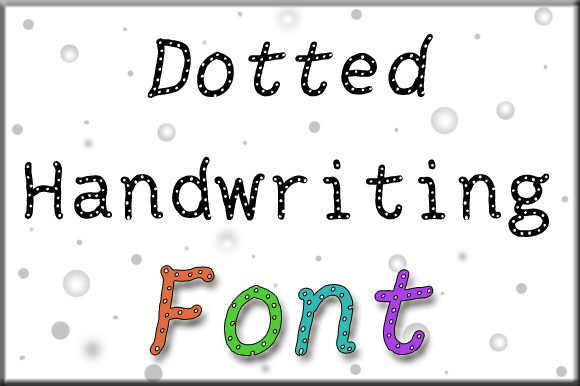
There is a specific kind of magic that happens when text stops looking like standard computer code and starts feeling like a human touch. Dotted Handwriting is a cool and interesting dotted display font that bridges the gap between digital precision and organic creativity. Simple but with a strong visual effect, this font will instantly make your creation more appealing than any others. It transforms flat, sterile information into something that feels curated, personal, and inviting.
In a world saturated with sans-serif and serif typefaces that prioritize readability above all else, Dotted Handwriting offers a refreshing departure. It isn't just about changing letters; it is about changing the mood of a project. Whether you are designing a wedding invitation, creating a marketing banner for a small business, or helping a child learn to write, the dots create a rhythm that draws the eye in a way solid lines often cannot.
What Makes This Style Distinctive?
At its core, Dotted Handwriting mimics the look of text created by connecting a series of points. This aesthetic has roots in educational tools where children learn to trace letters, but it has evolved into a sophisticated design element for adults. The "dotted" nature gives the typography a sense of movement and lightness. Unlike heavy, bold fonts that can feel aggressive or static, this style feels airy and modern.
The visual impact comes from the negative space within the characters. The gaps between the dots invite the viewer's brain to complete the shape, creating an interactive experience even before reading begins. This makes it particularly effective for headlines, logos, and short phrases where you want to grab attention without overwhelming the reader. It balances the rigidity of digital design with the warmth of hand-crafted art.
Why Beginners Love Accessibility
For beginners in graphic design or those who struggle with traditional calligraphy, Dotted Handwriting offers a unique advantage. It removes the pressure of perfect stroke weight. When using this font, the user doesn't need to worry about the flow of a pen or the consistency of line thickness. The design handles the complexity, allowing the creator to focus on layout and content.
- Ease of Use: You don't need advanced software skills to make it look professional. Most design platforms support this style easily.
- Learning Value: For students or hobbyists, seeing how letters are constructed through dots can be a fun way to understand letterforms and spacing.
- Instant Polish: A simple title typed in this font looks intentional and styled, boosting confidence for those new to design.
A beginner blogger might use Dotted Handwriting for their blog's tagline. Instead of spending hours tweaking a custom logo, they can apply this font to achieve a branded, polished look immediately. It levels the playing field, ensuring that a novice can produce work that rivals a seasoned professional.
Professional Perspectives on Visual Hierarchy
Experienced designers and professionals approach Dotted Handwriting differently. They see it not as a novelty, but as a strategic tool for establishing hierarchy and tone. In a sea of uniform corporate fonts, this style stands out because it signals creativity and approachability. However, professionals know that power lies in restraint.
The key for experts is knowing when to use it. It is rarely suitable for body text, where the dots might cause eye strain over long reading sessions. Instead, it shines in headers, pull quotes, and accent elements. By pairing a clean, readable sans-serif for the main content with Dotted Handwriting for headings, a designer creates a dynamic contrast that guides the reader's eye effectively.
- Flexibility: Professionals appreciate how well it scales. From massive billboards to tiny mobile screens, the dotted structure remains legible.
- Brand Personality: For brands wanting to appear friendly yet modern, this font communicates a specific emotional value without saying a word.
- Creative Control: Advanced users can manipulate tracking and kerning to create unique patterns, turning the font into a texture rather than just text.
An experienced marketer might use this font for a limited-time offer banner. The dotted style suggests something temporary, playful, or special, which can increase click-through rates compared to a standard bold font. It breaks the pattern of the user's feed, forcing a pause and a second look.
Utility for Educators and Creators
Educators have found a natural home for Dotted Handwriting in the classroom. Historically, dotted lines were used exclusively for tracing practice sheets. Now, this aesthetic extends to digital learning materials, worksheets, and presentation slides. It reduces anxiety for young learners by making tasks look less like formal tests and more like games.
Creators in the crafting community also embrace this style. Whether making printable planners, scrapbooking layouts, or DIY greeting cards, the font adds a handmade quality that stock photos often fail to capture. It resonates with consumers who value authenticity and artisanal vibes.
Consider a teacher creating a vocabulary worksheet. Using Dotted Handwriting for the instructions makes the assignment feel less daunting. Similarly, a freelancer designing a portfolio for a creative client can use this font to demonstrate versatility. It shows that the creator understands different moods and can adapt their visual language to fit the client's needs.
Strategic Considerations for Business Owners
Small business owners and entrepreneurs often face the challenge of standing out with limited budgets. Dotted Handwriting provides a high-impact solution that requires minimal investment. It allows a local bakery, a boutique shop, or a freelance consultant to establish a distinct visual identity quickly.
When evaluating this font for commercial use, business owners should consider reliability and longevity. While trends change, the appeal of a "hand-drawn" look remains timeless. However, it is crucial to ensure the font file is high-quality and licensed correctly for commercial projects. The cost of a license is often negligible compared to the return on investment gained from improved branding.
Practical applications include:
- Social Media Graphics: Instagram posts and Pinterest pins benefit greatly from the playful nature of dotted text.
- Product Packaging: Adding a dotted label to a homemade product can elevate perceived value.
- Email Newsletters: A dotted header in an email campaign can increase open rates by catching the eye amidst cluttered inboxes.
Consumers today are increasingly drawn to brands that feel human and transparent. Dotted Handwriting supports this narrative. It subtly tells the audience that there is a person behind the screen, caring about the details. This connection can foster loyalty and trust, which are essential for long-term business growth.
Matching Goals with Design Choices
Not every project needs Dotted Handwriting, and recognizing that distinction is part of good design. If your goal is to convey strict authority, legal seriousness, or high-tech precision, this font might undermine your message. In those cases, a solid, geometric typeface is likely a better choice.
However, if your priority is creativity, engagement, or warmth, then Dotted Handwriting is an excellent match. It works best when the goal is to connect emotionally rather than just inform. Ask yourself: Does my project need to feel structured and rigid, or does it need to feel inviting and alive? If the latter, this font is likely the right tool for the job.
The beauty of Dotted Handwriting lies in its simplicity. It doesn't rely on complex gradients or 3D effects to impress. It relies on the fundamental joy of seeing letters come together point by point. Whether you are a hobbyist making a birthday card or a publisher launching a new magazine, understanding how to leverage this style can transform your output. It turns a simple message into a memorable experience, proving that sometimes, the smallest details make the biggest difference.