Evaluating Feminim: A Display Font for Modern Designs
In the crowded landscape of digital and print design, selecting the right typeface is a critical decision that influences readability, brand perception, and overall aesthetic appeal. Among the various options available to designers, Feminim has emerged as a distinctive choice for those seeking a specific visual character. It is categorized as a display font known for its tall structure and friendly demeanor. While it offers a simple construction, the font delivers a strong visual effect that can elevate creative projects significantly.
This evaluation explores the characteristics of Feminim, analyzing its potential benefits and tradeoffs. The goal is to help designers, developers, and content creators determine if this typeface aligns with their specific project requirements or if alternative solutions might be more appropriate.
Understanding the Design Characteristics of Feminim
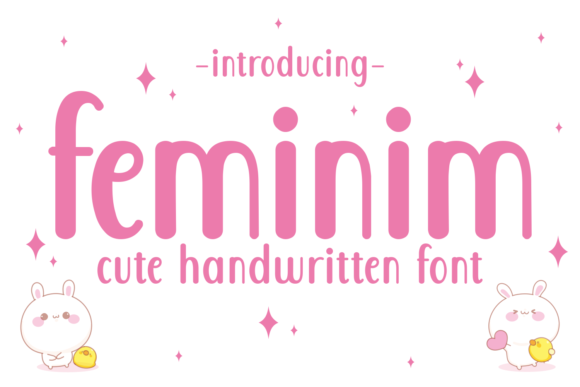
To make an informed decision, one must first understand the typographic DNA of the font in question. Feminim is defined by its tall x-height and upright posture. This vertical emphasis creates a sense of elegance and approachability that differs from standard geometric sans-serifs or traditional serifs. The "friendly" descriptor often associated with this font stems from its rounded terminals and open counters, which soften the reading experience compared to more rigid, blocky typefaces.
The simplicity of the letterforms is a deliberate design choice. By stripping away unnecessary ornamentation, the font relies on its proportions to create impact. This results in a clean look that does not distract from the content but rather frames it effectively. However, the "strong visual effect" mentioned in its description implies that the font carries a distinct personality. When used, it immediately sets a tone that is modern yet inviting, distinguishing the work from generic templates.
Visual Impact and Readability
The primary strength of Feminim lies in its ability to command attention without sacrificing clarity. In headlines and large-format text, the tall structure ensures legibility even at smaller sizes relative to other display fonts. The friendly curves prevent the text from feeling cold or corporate, making it suitable for brands that wish to appear accessible. However, this strong personality means it is less neutral than utility fonts like Arial or Roboto. It makes a statement, which is a double-edged sword depending on the context.
Reasons to Consider Feminim for Your Project
Designers often gravitate towards specific fonts when they need to solve particular communication problems. Here are several scenarios where Feminim serves as a robust tool in the design toolkit:
- Brand Identity for Lifestyle and Creative Industries: For businesses in fashion, beauty, lifestyle, or creative arts, the friendly and tall nature of Feminim aligns well with values of approachability and style. It helps establish a visual identity that feels personal and curated.
- Headline and Display Usage: As a display font, Feminim excels in titles, cover lines, and hero sections of websites. Its strong visual effect draws the eye immediately, making it ideal for capturing user attention in the first few seconds of engagement.
- Creating Emotional Connection: If a project aims to evoke warmth or positivity, the rounded features of the font contribute to a softer emotional response compared to sharp, angular typefaces.
- Differentiation from Competitors: Using a unique font like Feminim can instantly make a creation stand out against competitors who rely on standard system fonts. It adds a layer of polish and intentionality to the design.
Balancing Benefits and Tradeoffs
While Feminim offers distinct advantages, no single typeface is universally perfect. Evaluating its limitations is just as important as recognizing its strengths. Understanding these tradeoffs is essential for avoiding design pitfalls.
Limited Utility in Body Text: One of the most significant considerations is that Feminim is designed primarily as a display font. While it may be readable in short paragraphs, using it for extensive body copy can lead to fatigue. The strong visual effect and tall proportions can create uneven texture in long blocks of text, potentially reducing reading speed and comfort. For lengthy articles or documentation, pairing Feminim with a highly legible serif or neutral sans-serif is usually a necessary strategy.
Contextual Appropriateness: The "cute" and "friendly" descriptors imply a specific mood that may not fit all contexts. In sectors requiring absolute formality, such as law, finance, or heavy industry, the softness of Feminim might undermine the authority of the message. Designers must weigh whether the desired tone matches the brand's professional requirements.
Variety and Weight Options: Many modern display fonts suffer from limited weight ranges (e.g., lacking italics or bold variants). If the project requires a wide range of typographic hierarchy within the same family, it is crucial to verify the specific file contents of Feminim before committing. Relying on a single weight can limit design flexibility.
Situations Where Alternatives May Be Worth Considering
There are clear situations where other typefaces might serve the project better than Feminim. Recognizing these boundaries ensures that the final output remains effective and professional.
- Technical Documentation and Data Heavy Content: When the priority is information density and rapid scanning, a utilitarian font with high x-height and neutral styling is superior. The decorative elements of Feminim could interfere with the clarity required for technical manuals or data dashboards.
- Internationalization Projects: If the design needs to support multiple languages or scripts, the availability of diverse language packs is key. Some niche display fonts lack comprehensive character sets, leading to fallback issues that break the design integrity.
- Minimalist Corporate Branding: For brands aiming for a stark, ultra-modern, or industrial aesthetic, the friendliness of Feminim might feel too whimsical. In these cases, a geometric sans-serif or a humanist sans-serif would likely provide the needed neutrality.
Practical Decision-Making Insights
To determine if Feminim aligns with your goals, consider conducting a practical test. Create mockups of your intended use case, specifically focusing on the contrast between headlines and body text. Ask yourself if the font reinforces the core message of the content or if it distracts from it.
Key questions to ask during the selection process include:
- Does the "tall" characteristic enhance the layout, or does it create awkward spacing issues?
- Will the "friendly" tone resonate with the target audience, or will it seem unprofessional for the specific industry?
- How does the font perform on mobile devices? Large display fonts can sometimes render poorly on small screens if the resolution is low.
Furthermore, consider the licensing and accessibility aspects. Ensure that the font supports the necessary web standards (such as WOFF2) to guarantee fast loading times and proper rendering across browsers. Accessibility is paramount; ensure that the font maintains sufficient contrast and distinct letter shapes for users with visual impairments.
Conclusion
Feminim represents a compelling option for designers looking to inject a touch of charm and vertical elegance into their work. Its simple yet strong visual effect allows it to make creations more appealing, particularly in contexts where approachability and style are paramount. However, its effectiveness is contingent upon appropriate application. It shines in headlines and display areas but may require careful handling in body text or formal settings.
By weighing the benefits of its unique character against the tradeoffs regarding versatility and context, designers can make a strategic choice. Whether you choose Feminim or explore alternatives, the ultimate goal remains the same: to select a typeface that communicates the intended message clearly and effectively. When used with intent, Feminim can indeed become a standout element in your design repertoire.