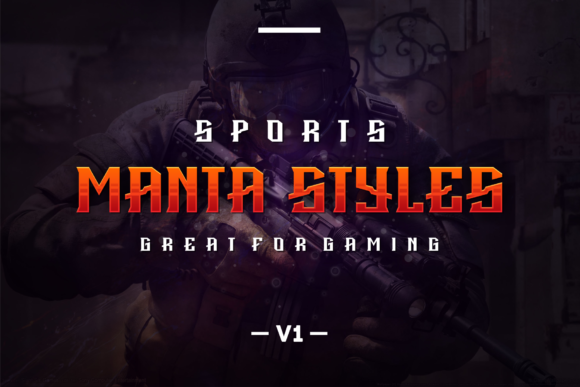
Manta Styles V1: Making Your Designs Stand Out Without the Common Pitfalls
You have likely scrolled past dozens of templates today, all vying for your attention. In a digital landscape saturated with generic sans-serifs and overused script fonts, finding a typeface that truly commands respect is challenging. This is where Manta Styles V1 enters the conversation. It is not merely another display font; it is a stylistic tool designed to inject personality into posters, thank you cards, quotes, greeting cards, logos, business cards, and any project requiring a creative spark.
However, simply downloading a stylish font does not guarantee a stunning result. Many designers, from beginners to seasoned professionals, make the mistake of treating display fonts as interchangeable fillers. When used incorrectly, even the most unique typeface can ruin a layout rather than enhance it. Understanding the nuances of Manta Styles V1 ensures that your designs communicate effectively while maintaining that distinct edge you are looking for.
The Allure of Unique Typography
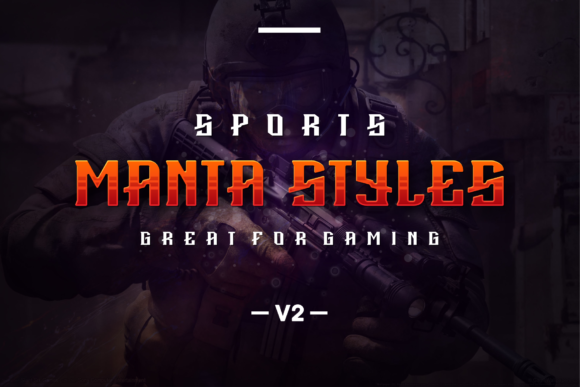
Why should you consider this specific typeface for your next project? The primary appeal of Manta Styles V1 lies in its ability to act as a visual anchor. Unlike standard body text fonts which are designed to be invisible, Manta Styles V1 is meant to be seen. Its unique character shapes create an immediate emotional connection with the viewer, setting the tone before a single word is read.
When applied to a logo or a business card, this font signals confidence and creativity. For greeting cards or thank you notes, it adds a layer of warmth and personal touch that standard fonts often lack. The versatility of Manta Styles V1 allows it to bridge the gap between professional branding and artistic expression, making it a valuable asset for entrepreneurs, marketers, and hobbyists alike.
Common Mistakes in Font Selection
Despite its potential, many users overlook critical details when evaluating Manta Styles V1. One of the most frequent errors is ignoring the context of usage. A font that looks magnificent on a large poster may become illegible on a small business card if the kerning (spacing between letters) is too tight or the stroke width is too thin. Before purchasing or downloading, you must assess where the text will appear.
Another significant oversight is failing to pair Manta Styles V1 correctly. Because this is a heavy, stylized display font, using it alongside other decorative scripts creates visual chaos. The eye needs a resting place. If you use Manta Styles V1 for headlines, you should balance it with a clean, simple sans-serif or serif for body text. Mixing multiple complex styles dilutes the impact of both fonts.
- Ignoring Readability: Using the font for long paragraphs instead of short headlines.
- Poor Color Contrast: Applying light colors against busy backgrounds, rendering the unique shapes unreadable.
- Lack of Hierarchy: Failing to differentiate between the title and supporting text, causing confusion.
Evaluating Quality Before You Commit
Before integrating Manta Styles V1 into your workflow, take the time to evaluate the technical quality of the file. Poorly constructed vector outlines can lead to jagged edges when scaled up for billboards or printed materials. Check the glyph set to ensure it includes the necessary characters for your language, including special symbols or accented letters if you are targeting an international audience.
Many creators rush this step, assuming all fonts function identically. This assumption can lead to frustration later when you need to edit text or export files for different platforms. Ensure the font supports OpenType features if you require ligatures or alternate characters. These subtle details often separate a amateur-looking design from a polished, professional one.
Practical Advice for Better Results
To avoid the pitfalls mentioned above, adopt a methodical approach to implementation. Start by creating a mood board. Sketch out how Manta Styles V1 interacts with your brand colors and imagery. Does it complement the aesthetic, or does it clash? Testing the font in grayscale first can also help you judge the weight and structure without the distraction of color.
When designing for print, always proofread at 100% zoom. Display fonts often have intricate details that disappear at smaller sizes. If you are creating a logo, test it in black and white to ensure the shape holds up without relying on color effects. For digital projects, check how the font renders on mobile devices. Some display fonts lose their charm on small screens if they are not optimized for web viewing.
- Start Small: Test the font on a single element before applying it to an entire layout.
- Check Spacing: Manually adjust tracking and kerning to prevent letters from touching or floating too far apart.
- Consider the Medium: Adjust stroke weights for screen vs. print applications.
Maximizing Impact Across Different Projects
The true power of Manta Styles V1 emerges when you apply it strategically across various media. For posters, let the font dominate the composition. Use bold sizing and high contrast to grab attention instantly. For quotes and greeting cards, leverage the font's personality to convey emotion. A handwritten style might work well here, but the structured uniqueness of Manta Styles V1 offers a more modern, graphic feel.
In the realm of logos and business cards, simplicity is key. Do not overcrowd the design. Let the typography speak for itself. If you are a freelancer or educator, using this font for headers in your portfolio or course materials can instantly elevate your perceived value. It tells your audience that you pay attention to detail and care about the visual experience.
Remember that a font is only as good as the design surrounding it. Even the most beautiful typeface cannot fix poor composition or weak messaging. Use Manta Styles V1 to support your message, not to distract from it. By avoiding common mistakes and focusing on proper pairing and spacing, you ensure that your designs remain effective, efficient, and visually stunning.
Ultimately, the goal is to create work that resonates. Whether you are launching a new product, sending a heartfelt thank you note, or building a brand identity, Manta Styles V1 provides the creative touch needed to stand out. Take the time to understand its strengths and limitations, and you will find that it becomes an indispensable part of your design toolkit.