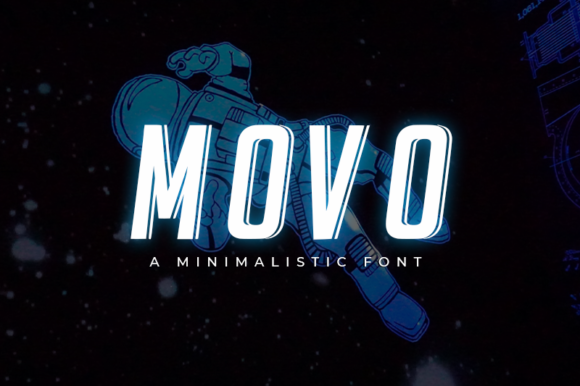
Movo: The Minimalist Display Font That Transforms Your Visual Identity
When you are staring at a blank canvas, the difference between a design that feels amateurish and one that commands attention often comes down to a single choice. You might have the perfect message, the ideal color palette, and high-quality imagery, yet the typography feels slightly off. This is where Movo steps in as a game-changer. It is not just another typeface; it is a cool, modern, minimalistic display font designed to make your work look stunning on any poster, flyer, or print medium. However, simply downloading a font does not guarantee success. Many designers rush into using bold display fonts without understanding their specific strengths, leading to designs that feel cluttered or unprofessional.
To truly leverage the power of Movo, you need to move beyond the surface level and understand how this specific typeface interacts with layout, spacing, and audience perception. Whether you are a small business owner launching a new product, a marketer creating a social media campaign, or a freelancer pitching to a major client, the way you handle display typography can make or break your project's credibility. Let's explore what makes Movo special, the common pitfalls to avoid when integrating it into your workflow, and how to ensure your final output looks polished and intentional.
Why Movo Stands Out in a Crowded Market
In an era where visual noise is constant, minimalism has become a powerful communication tool. Movo captures this aesthetic perfectly. Its clean lines and modern structure allow it to cut through the clutter without sacrificing personality. Unlike serif fonts that evoke tradition or complex scripts that demand attention for their own sake, Movo offers a balance of sophistication and approachability. This makes it incredibly versatile for various audiences, from tech startups looking for a sleek edge to lifestyle brands wanting a contemporary feel.
The "stunning" quality mentioned in its description isn't just marketing fluff; it stems from the font's geometric precision. When used correctly, Movo creates immediate visual hierarchy. It tells the viewer exactly what to look at first. However, this strength can also be a weakness if mismanaged. Because the font is so dominant, it leaves little room for error in the surrounding design elements.
Common Mistakes When Using Display Fonts
Many users download premium fonts like Movo expecting instant results, only to end up with a design that feels flat or overwhelming. One of the most frequent errors is ignoring the context of usage. A display font is designed to be read quickly and to create impact. If you use Movo for body text or long paragraphs, you will immediately lose your reader. The weight and style of Movo are meant for headlines, titles, and short, punchy statements. Using it for dense blocks of text violates the fundamental rules of readability and can make your content appear difficult to digest.
Another significant oversight involves kerning and tracking. Modern fonts often come with tight default spacing to save space, but display fonts require breathing room. If you do not adjust the letter spacing (tracking) and character spacing (kerning), the letters may appear to collide or feel cramped, which undermines the "minimalistic" promise of the font. For instance, on a large-format poster, tight spacing can cause the letters to vibrate visually, creating a jarring effect that distracts from your message.
- Overcrowding the Layout: Trying to fit too many headlines together using Movo can result in a chaotic visual experience. Remember that negative space is a design element, not just empty area.
- Ignoring Contrast: Pairing Movo with other heavy fonts can create competition rather than harmony. It needs a lighter companion for body copy.
- Neglecting Print Specifications: What looks great on a screen might fail in print if the resolution or ink coverage isn't considered, especially with thin strokes.
Ensuring Quality and Usability in Your Designs
To avoid these pitfalls, you must approach Movo with a strategic mindset. Before you commit to using this font for a client project or a personal brand, take a moment to evaluate your specific needs. Ask yourself: Is this the right voice for my audience? Does the font size I am planning to use maintain legibility? These questions prevent costly reworks later in the production process.
One practical tip is to test your design in grayscale before adding color. Display fonts rely heavily on shape and form. If your headline loses its impact when stripped of color, the font choice or the layout might need adjustment. Movo is robust enough to stand on its own, but ensuring it works in monochrome helps verify that the design relies on strong typographic principles rather than just decorative effects.
Furthermore, consider the medium. If you are designing for a flyer that will be handed out in a busy environment, the font needs to be readable from a distance. Movo excels here due to its clear shapes, but you must ensure the point size is sufficient. Conversely, if you are using it for a digital banner ad, you might need to adjust the weight to ensure it renders sharply on smaller screens. Always preview your work in the actual environment where it will be viewed. A design that looks perfect on a 4K monitor might suffer on a mobile device or a printed handout if the scaling isn't handled correctly.
Choosing the Right Companion
A display font never works alone. To maximize the potential of Movo, you need to pair it with a complementary typeface that handles the details. Since Movo is a display font, it should be paired with a highly legible sans-serif or serif for body text. This contrast creates a professional rhythm. For example, pairing Movo with a clean, neutral sans-serif allows the headline to grab attention while the body text remains easy to read. This combination enhances efficiency, guiding the user's eye naturally from the hook to the information.
When selecting a pairing, avoid fonts that compete for attention. Do not choose another geometric sans-serif that is equally bold, as this will create visual confusion. Instead, opt for something more understated. This decision directly impacts the perceived quality of your work. A well-balanced typographic system signals professionalism and attention to detail, which builds trust with your audience.
Evaluating Your Decision Before You Commit
Before finalizing your purchase or download of Movo, run a quick stress test. Create a mock-up of your intended project. Try different sizes, weights, and alignments. See how it behaves when you rotate it slightly or place it over a textured background. This proactive approach saves time and ensures that the font delivers on its promise. It also helps you identify any potential issues with legibility or aesthetic balance early in the process.
Remember that the goal of using Movo is to enhance communication, not to obscure it. If you find yourself spending more time adjusting the font than refining your message, it might be worth reconsidering the hierarchy. The best typography is often invisible; it supports the content so seamlessly that the audience focuses entirely on the message. By avoiding common mistakes and following a structured approach, you can unlock the endless possibilities that Movo offers.
Whether you are designing a concert poster, a corporate brochure, or a fashion magazine spread, Movo provides the modern edge you need. But remember, the tool is only as good as the hand that wields it. Take the time to learn its quirks, respect its space, and pair it wisely. With the right approach, Movo will transform your designs from ordinary to extraordinary, ensuring your work stands out in a crowded marketplace.