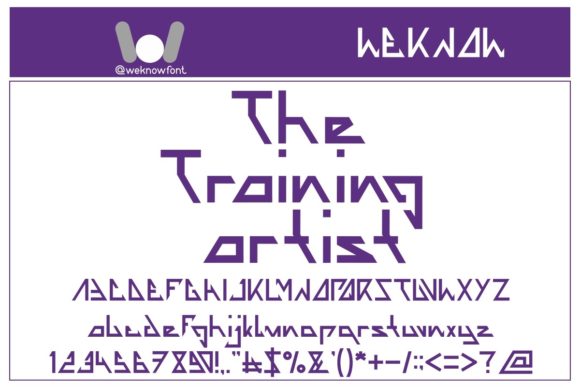
The Training Artist: A Quirky Display Font for Bold Projects
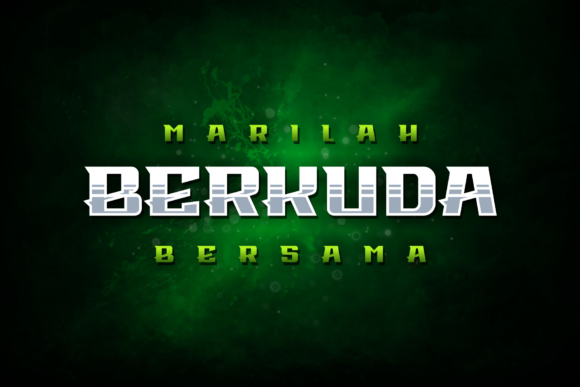
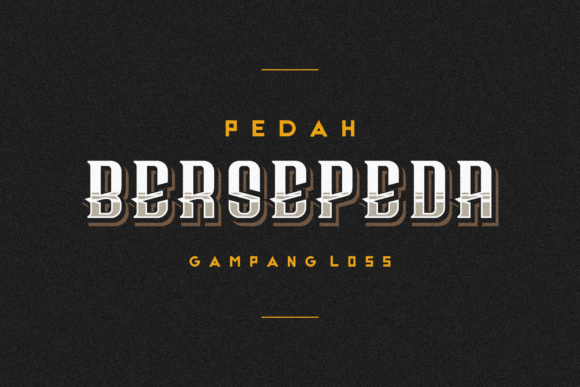
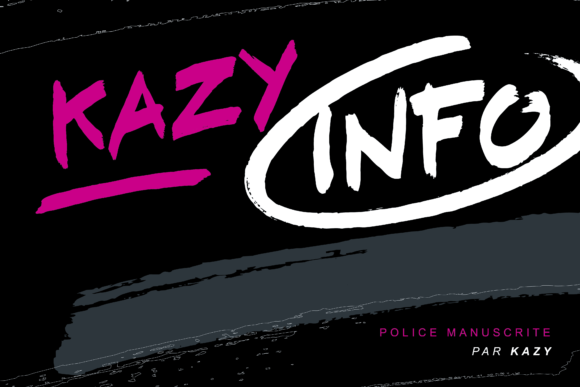
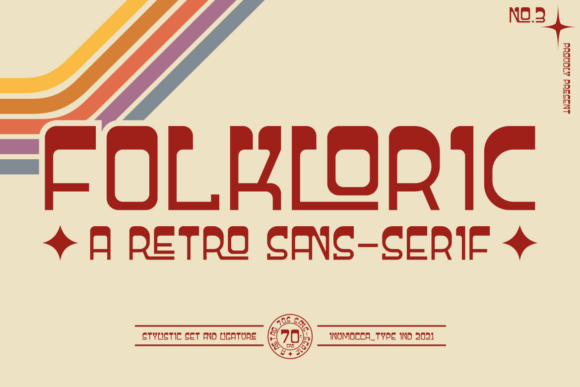
In a digital landscape often dominated by sterile, uniform typefaces, The Training Artist stands out as an incredibly cool and interesting display font. It brings a distinct personality to the screen or page that is hard to ignore. This isn't just another standard sans-serif or serif; it is a character-driven design that feels hand-crafted yet modern. Its quirky nature allows it to capture attention immediately, making it perfect for headlines, logos, and any context where you need to stop a scrolling thumb.
What makes this font truly adept is its versatility. While it leans heavily into the eccentric, it manages to remain legible and functional across a wide variety of contexts. Whether you are designing a poster for a local music festival, a landing page for a creative agency, or a title card for a YouTube video, The Training Artist offers a unique visual voice. It bridges the gap between playful whimsy and professional polish, provided it is used with intention.
Why Different Audiences See Value in This Typeface
The value of a specific font like The Training Artist varies significantly depending on who is using it and what they are trying to achieve. For one person, it might be the key to a brand identity; for another, it could simply be a fun tool for a personal blog post. Understanding these different perspectives helps clarify why this font has become such a popular choice among diverse groups of creators.
For Beginners and Hobbyists
If you are just starting your journey into graphic design or typography, The Training Artist can be a delightful entry point. Beginners often struggle with finding fonts that look "good" without requiring advanced knowledge of kerning or layout theory. Because this font is inherently bold and quirky, it tends to carry itself well even when placed in less-than-perfect compositions. You don't need to be a typographer to make it work; its strong character does much of the heavy lifting.
- Ease of Use: The distinct shapes make it forgiving for those still learning spacing rules.
- Creativity: It encourages experimentation. If you try pairing it with a boring background, the result will likely be striking rather than disastrous.
- Learning Value: Using it teaches beginners how to leverage contrast—pairing a loud, expressive font with simple, clean elements.
For Professionals and Marketers
For marketing professionals and entrepreneurs, the primary concern is usually conversion and brand recognition. In a crowded market, standing out is not optional; it is essential. The Training Artist serves as a strategic asset here. When a business wants to signal that they are innovative, approachable, or perhaps a bit rebellious, this font communicates that subtext instantly.
However, professionals must exercise caution. The same quirks that make the font interesting can also undermine credibility if overused. A financial firm might find it too casual, while a boutique coffee shop or a tech startup would likely embrace it. The priority for this group is commercial value. Does the font align with the brand's long-term goals? Is it flexible enough to work on both a mobile app icon and a large billboard?
For Educators and Content Creators
Educators, bloggers, and freelancers often wear many hats. They need content that engages their audience without looking like a generic template. The Training Artist adds a layer of human connection to digital text. When an educator uses this font for a lesson header or a course title, it signals enthusiasm and a break from the monotony of academic rigidity.
For bloggers, the font can serve as a signature style. It helps establish a recognizable aesthetic that readers associate with the author's voice. The flexibility of the font means it can adapt to various project types, from a serious article about industry trends to a lighthearted review of a new gadget. The key here is presentation; ensuring the font enhances the message rather than distracting from it.
Navigating Priorities: Quality, Speed, and Longevity
When evaluating The Training Artist, different users prioritize different attributes. There is no single metric for success because the "right" font depends entirely on the project's constraints and goals.
Quality vs. Flexibility
Some users prioritize quality, looking for a font family with extensive language support, multiple weights, and precise kerning pairs. The Training Artist excels in quality within its niche as a display typeface. However, it may not be the best choice for body text due to its high level of detail and unique letterforms. Users must understand that a display font is designed for impact at larger sizes, not for reading paragraphs of dense text.
Others prioritize flexibility. Can this font be used for a logo, a social media banner, and a print brochure? The Training Artist is adept in this regard, but only if the designer respects its limitations. It works best when paired with neutral, understated fonts that allow its quirks to shine without creating visual chaos.
Speed and Reliability
For freelancers and small business owners working under tight deadlines, speed is often the most critical factor. A font that requires hours of manual adjustment to look right is a liability. The Training Artist is generally reliable out of the box, offering immediate visual interest. This allows creators to move quickly from concept to final output, which is vital in fast-paced environments like social media management or event promotion.
Practical Examples of Application
To truly understand how The Training Artist fits into real-world scenarios, consider how different users might apply it.
- The Small Business Owner: Imagine a local bakery owner launching a new line of artisanal cookies. Instead of using a standard script font, they choose The Training Artist for their packaging labels. The quirky nature of the font suggests homemade care and uniqueness, distinguishing them from mass-produced competitors.
- The Freelance Designer: A graphic designer tasked with rebranding a vintage clothing store needs something that nods to the past but feels current. The Training Artist provides a retro-modern aesthetic that appeals to younger consumers while respecting the heritage of the brand.
- The Consumer: Even as a consumer, you encounter this font frequently. You might see it on a limited-edition sneaker drop, a concert poster for an indie band, or a promotional email from a lifestyle brand. Recognizing it helps you identify brands that want to appear authentic and non-corporate.
Making the Right Choice for Your Goals
Deciding whether The Training Artist matches your needs comes down to honesty about your project's intent. Are you trying to convey seriousness and authority? Perhaps a more traditional typeface is better. Are you aiming to spark curiosity, evoke emotion, or highlight creativity? Then this font is likely an excellent fit.
It is important to remember that no font is universally perfect. The Training Artist shines when it is given space to breathe and when its unique characteristics are celebrated rather than forced. By understanding your audience and the specific demands of your project, you can determine if this quirky, cool, and interesting display font is the missing piece of your design puzzle.
Whether you are a seasoned pro looking to refresh your toolkit or a beginner eager to add some flair to your first project, The Training Artist offers a versatile and engaging solution. It reminds us that typography is not just about readability; it is about expression, mood, and the stories we tell through words.