Buggy Font: Retro Bold Style for Any Project
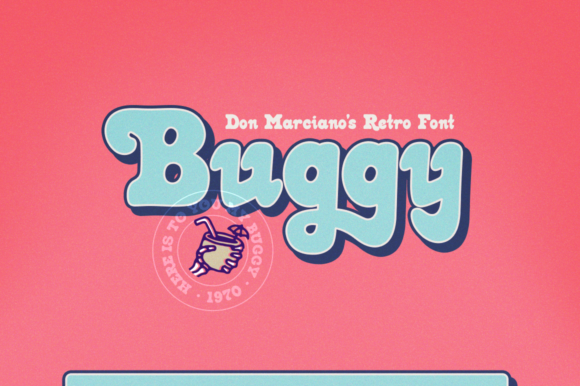
In a digital landscape saturated with clean, minimalist sans-serifs and sterile geometric typefaces, finding a voice that truly stands out can feel like shouting into a void. Buggy changes the game by offering a bold and retro styled display font that captures the perfect amount of trendiness without sacrificing readability. It is not just another typeface; it is a design statement that bridges the gap between nostalgic charm and modern utility.
Whether you are crafting physical invitations, designing high-impact digital assets, preparing a pitch deck, or making greeting cards, this font provides the visual weight needed to command attention. Its unique character set and distinctive curves allow creators to inject personality into their work instantly. But beyond its aesthetic appeal, understanding how Buggy fits into different workflows is essential for maximizing its potential across various industries.
What Makes This Display Type Unique?
Buggy is defined by its robust structure and playful yet authoritative presence. Unlike standard serif or body fonts designed for long-form reading, display fonts like Buggy are engineered to be seen from a distance or used in large sizes where every detail matters. The "retro" aspect refers to its mid-century influences, reminiscent of vintage signage and classic advertising, while the "trendiness" comes from its adaptability to contemporary design trends like brutalism and maximalism.
The font features a specific balance: it is bold enough to stop a scrolling thumb on social media but refined enough to look professional in a corporate presentation. This duality makes it versatile. You will find that the letterforms have just enough irregularity to feel hand-crafted, which adds warmth, while maintaining the consistency required for commercial projects. When you select Buggy, you are choosing a tool that speaks directly to the viewer's sense of nostalgia and excitement.
Why Beginners Love the Ease of Use
For those just starting their journey in graphic design or DIY crafting, the barrier to entry often lies in knowing how to make a project look polished. Many beginners struggle with pairing fonts, resulting in designs that feel disjointed or amateurish. Buggy solves this problem by being a standalone hero typeface.
- Instant Impact: New designers do not need to spend hours searching for complementary fonts. Using Buggy as the primary headline immediately establishes a cohesive theme.
- Forgiving Design: Because the style is so distinct, minor layout mistakes are less noticeable than they would be with a neutral font.
- Learning Value: Working with such a strong typeface teaches beginners about hierarchy and the power of typography without needing complex layering techniques.
A hobbyist creating birthday invitations for a child might use Buggy to write the title of the card, knowing that the bold letters will convey the energy of the party without requiring advanced Photoshop skills. The font does the heavy lifting, allowing the beginner to focus on the content and the sentiment behind the message.
Crafters and Hobbyists: A Tool for Tactile Creativity
The world of physical crafting has seen a resurgence, driven by a desire for personalized items. For hobbyists who love paper cutting, scrapbooking, or handmade goods, Buggy offers a bridge between digital planning and physical execution. The retro style pairs beautifully with textures like kraft paper, denim, or distressed wood backgrounds.
When a crafter prints Buggy onto cardstock, the bold strokes hold up well against die-cutting and embossing tools. The thick lines ensure that the details remain visible even when the material is manipulated. Furthermore, the font's versatility allows a single project to shift themes easily. The same file can serve as a label for a homemade jam jar one week and a poster for a local garage sale the next.
Consider the priority of creativity here. Hobbyists often want to express individuality. Buggy provides a canvas for that expression because it feels slightly unconventional. It avoids the stiffness of standard fonts, encouraging users to play with spacing, color, and orientation. Whether it is for a wedding favor tag or a custom sticker sheet, the font adapts to the user's vision rather than dictating a rigid style.
Professional Designers: Balancing Quality and Flexibility
Experienced professionals approach typography with a critical eye, evaluating factors like kerning, legibility at small scales, and licensing terms. For these users, Buggy is not just a pretty picture; it is a strategic asset. In branding and marketing, the ability to differentiate a client from competitors is paramount. A logo or campaign using Buggy immediately signals confidence and a willingness to take risks.
Designers appreciate the quality of the font files, which typically include a comprehensive character set supporting various languages and symbols. This flexibility ensures that a global brand can maintain consistency across different markets. Additionally, the font's retro-modern blend allows agencies to pivot styles quickly. They can use Buggy for a summer campaign targeting Gen Z and then tone it down for a more serious financial report, relying on the font's inherent strength to carry the message.
The priority for professionals is often reliability. They need a font that renders correctly across all devices and print mediums. Buggy delivers this by adhering to standard OpenType features, ensuring that ligatures and alternate characters behave predictably. This reliability saves time during the production phase, allowing designers to focus on strategy rather than troubleshooting technical glitches.
Educators and Presenters: Engaging the Audience
Education is increasingly moving away from dry, text-heavy slides toward visual storytelling. Educators and presenters understand that engagement drops when the audience cannot connect with the material. Buggy serves as an excellent tool for capturing attention in the first few seconds of a lecture or workshop.
Imagine a teacher introducing a history unit on the 1960s. Using a period-appropriate font like Buggy sets the scene immediately, immersing students in the era before a single word of the lesson begins. Similarly, for business trainers, a bold header can emphasize key takeaways, making the information more memorable. The font acts as a visual anchor, helping learners retain information through association.
The presentation value of this font is significant. In a crowded conference room, a slide deck that uses Buggy stands out among dozens of generic templates. It signals that the presenter cares about the visual experience, which builds credibility. However, educators must also be mindful of speed; they need a font that loads quickly and displays clearly on projectors, which Buggy achieves through its high-contrast, clear forms.
Small Business Owners: Commercial Value and Brand Identity
For entrepreneurs and small business owners, every dollar spent on design needs to yield a return. Typography is a crucial part of brand identity, influencing how customers perceive the quality and trustworthiness of a product. Buggy offers a way to create a memorable brand image without the cost of a custom typeface commission.
A coffee shop owner might use Buggy for menu boards, evoking a cozy, artisanal vibe that attracts customers looking for authenticity. A boutique clothing store could use it for window signage, projecting a trendy, urban attitude. The commercial value lies in the font's ability to communicate a specific mood instantly. It tells the consumer, "We are fun," "We are bold," or "We are classic," depending on how it is styled.
Furthermore, small businesses often operate with limited resources. They need solutions that are easy to implement. Buggy is available for immediate download and usage, fitting seamlessly into the workflow of a busy owner who may not have a dedicated design team. By using a font that is both trendy and timeless, these businesses can future-proof their branding, avoiding the need for frequent overhauls as design trends shift.
Consumers and Bloggers: Finding Your Voice
Even for non-designers, the choice of font matters. Bloggers and content creators know that the visual presentation of their articles affects reader retention. A blog post with a monotonous font can feel tedious, whereas one with a dynamic header invites exploration. Buggy allows individual voices to shine through, adding a layer of personality to written content.
For consumers, seeing Buggy in the wild can trigger a positive emotional response. It feels familiar yet fresh, tapping into a collective appreciation for good design. When a consumer encounters a product labeled with Buggy, they often associate it with higher quality or better craftsmanship, simply because the packaging looks intentional and thoughtful.
The long-term usefulness of Buggy extends beyond a single project. Its retro roots mean it will likely never go completely out of style, unlike some fleeting trends. This makes it a smart investment for anyone looking to build a lasting library of design assets. Whether you are a freelancer building a portfolio or a marketer launching a new campaign, having Buggy in your toolkit provides a reliable option for when you need to make a statement.
Making the Right Choice for Your Goals
Ultimately, deciding whether Buggy is right for you depends on your specific goals and skill level. If you need a font for body text, this is not the place to start. However, if you are looking for a display font that combines boldness with a touch of nostalgia, Buggy is an exceptional choice. It respects the intelligence of the designer while providing enough structure to guide the novice.
By considering the priorities of ease of use, cost, quality, and creative flexibility, you can determine if this font aligns with your needs. For the beginner, it simplifies the design process. For the pro, it offers a versatile tool for branding. For the educator, it engages the mind. And for the business owner, it drives value. No matter who you are, Buggy provides the perfect amount of trendiness to elevate your work and connect with your audience on a deeper level.