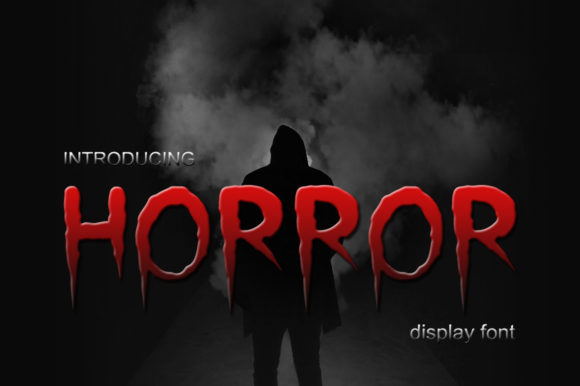
Horror: The Spooky Display Font That Brings Your Creepy Projects to Life
If you have ever scrolled through a Halloween movie poster or stared at a haunted house attraction sign and wondered how the designer managed to make the text look like it was dripping with blood, there is a good chance they used a font called Horror. This isn't just another typeface in a library; it is a unique display font designed specifically to evoke that primal, spooky feeling we associate with the genre. It transforms ordinary headlines into chilling declarations, making it an essential tool for anyone looking to add genuine atmosphere to their creative work.
The beauty of this font lies in its immediate impact. When you place it on a screen or print it on a flyer, it doesn't just convey information; it sets a mood before the reader even processes the words. For designers and content creators working within the adult entertainment sector—whether that means horror films, seasonal events, or niche marketing—it offers a visual shorthand that speaks directly to the audience's desire for thrill and suspense.
Real-World Applications for Seasonal Marketing
While the name suggests a permanent state of dread, the most common and profitable use case for Horror is undoubtedly the annual Halloween rush. Retailers, event planners, and digital marketers know that the difference between a generic sale banner and a high-converting one often comes down to typography. Imagine a local pumpkin patch or a haunted maze advertising their "Nightmare Night" package. Using a standard sans-serif font might communicate the price, but using the Horror font communicates the experience.
It works exceptionally well for:
- Halloween Party Invitations: Digital invites sent via email or social media can stand out in a crowded inbox when the subject line features this jagged, eerie style.
- Event Posters: Whether it is a costume contest at a bar or a community trick-or-treat map, the font adds a layer of authenticity that makes the event feel more immersive.
- Limited-Time Offers: Coffee shops and restaurants often create "spooky specials." Applying this font to the menu items creates a thematic link that encourages customers to try something new.
The key here is context. When the audience expects fear, fun, or thrills, this font acts as a visual cue that validates their expectations. It tells them, "We are ready to play," rather than just "We are open."
Beyond October: Year-Round Niche Usage
Many people assume fonts like Horror are only useful for thirty days a year, but savvy creators find ways to integrate it into year-round branding for specific industries. The gothic, unsettling aesthetic appeals to audiences who identify with alternative subcultures, metal music fans, or true crime enthusiasts.
Consider a heavy metal band releasing a new album. A standard clean font might look too corporate or sterile. In contrast, the Horror font aligns perfectly with the sonic aggression and dark themes often found in the genre. Album covers, tour flyers, and merchandise tags benefit from this alignment, creating a cohesive brand identity that resonates deeply with fans.
Similarly, the true crime podcast industry has exploded in recent years. Podcast cover art needs to grab attention instantly in a sea of thumbnails. Using this display font for titles like "Midnight Murders" or "The Dark Side" immediately signals the tone of the show. It helps potential listeners decide if the content matches their interests without them having to read a single description.
Designing Immersive Experiences for Events and Venues
For physical businesses, the stakes are higher because the design must translate from a digital file to the real world. Escape rooms, haunted attractions, and themed bars rely heavily on environmental storytelling. The signage outside the venue is the first step in that journey.
A escape room operator might use the Horror font on window decals to warn visitors of what lies inside. The jagged edges and irregular spacing of the letters mimic the feeling of unease, preparing guests mentally for the puzzles and scares ahead. This psychological preparation is crucial for the customer experience. If the font looks too polished or safe, it breaks the immersion immediately.
In the hospitality sector, cocktail menus are a prime candidate. Bars serving "poison" drinks or themed cocktails can use this font to list ingredients and prices. The visual distortion of the letters mirrors the concept of intoxication or danger, enhancing the narrative of the drink itself. It turns a simple list of alcohol and mixers into a piece of theater.
Who Benefits Most from This Typeface?
The versatility of Horror extends across various user groups, each leveraging its strengths differently. Understanding these nuances helps in choosing the right tool for the job.
Digital Content Creators often struggle with engagement rates. Social media algorithms favor content that stops the scroll. A thumbnail for a YouTube video analyzing a classic slasher film becomes significantly more clickable when the title is rendered in this font. It triggers an emotional response that standard typography cannot match.
Small Business Owners in the creative economy, such as independent illustrators or comic book artists, use this font to differentiate their work. When selling prints or zines, the packaging needs to reflect the art inside. A horror-themed font on a shipping label or a thank-you note adds a professional touch that shows attention to detail.
Web Developers building landing pages for niche products can use this font strategically. However, it is not suitable for body text. Instead, it shines as a hero headline or a call-to-action button background. When used correctly, it draws the eye to the most important part of the page, guiding the user toward conversion.
Practical Considerations and Limitations
Despite its effectiveness, the Horror font is not a one-size-fits-all solution. Its strength is also its primary limitation. Because it is a display font, it is designed for short bursts of text, not long paragraphs. Attempting to write a blog post or a legal disclaimer in this typeface will result in unreadable text that frustrates users and harms your SEO efforts.
Readability is the biggest concern. The stylized nature of the letters, with their drips, spikes, and irregular shapes, can make certain characters difficult to distinguish, especially at smaller sizes. Before committing to a full rebrand or a large-scale print run, always test the font at the intended size. What looks terrifying on a billboard might be illegible on a business card.
There is also the matter of overuse. Because the font is so distinctive, using it everywhere can dilute its impact. If every element on a poster screams in the same way, nothing stands out. The most effective designs use Horror sparingly, perhaps for the main title only, while pairing it with a clean, neutral font for secondary information. This contrast ensures the spooky elements pop while maintaining clarity.
Another consideration is the audience demographic. While adults aged 20–50 generally appreciate the aesthetic, it may not be appropriate for all contexts. Using this font for a children's party invitation or a corporate wellness seminar would likely cause confusion or offense. Context is king; the font should always match the intent of the message.
Maximizing Impact with Proper Pairing
To get the most out of this unique display font, pairing it correctly is essential. Since Horror is visually loud and complex, it pairs best with understated, highly legible typefaces. A simple sans-serif or a classic serif font can provide the necessary balance, allowing the display font to do the heavy lifting of setting the mood.
When designing for print, pay attention to color. Black ink on white paper is the classic choice, but using deep reds, purples, or greens can amplify the effect. Conversely, on digital screens, ensure there is sufficient contrast so the intricate details of the font remain visible against busy backgrounds. Lighting also plays a role; if the final product will be viewed in low light, avoid overly thin strokes that might disappear.
Ultimately, the Horror font is a powerful asset in the creative toolkit. It bridges the gap between visual design and emotional response, turning static text into a living, breathing part of the story. Whether you are launching a seasonal campaign, branding a music group, or simply trying to make your next project stand out, understanding how to wield this font effectively can elevate your work from ordinary to unforgettable.
By focusing on practical application and respecting the limitations of the typeface, you can harness its spooky energy to create projects that truly resonate with your audience. It is less about the technical specifications and more about the feeling it evokes—a feeling that, when done right, keeps people coming back for more.