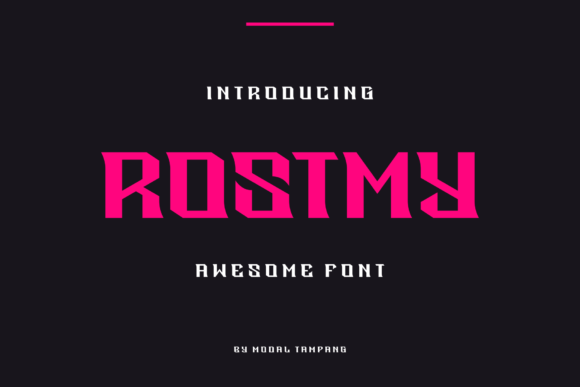
Why Rostmy Stands Out as a Quirky Display Choice
In a digital landscape saturated with safe, predictable typefaces, finding a font that truly commands attention without sacrificing readability can feel like searching for a needle in a haystack. This is where Rostmy enters the conversation. It is not just another display font; it is a unique character with a distinct personality that brings a specific kind of energy to any project. If you are a designer, marketer, or small business owner looking to inject a bit of whimsy into your brand identity, understanding the nuances of this quirky typeface is essential before you commit.
Many professionals assume that "quirky" means "unprofessional," but that is a dangerous misconception. The right display font can elevate a project from generic to memorable. However, using Rostmy effectively requires more than just downloading the file and slapping it on a headline. There are subtle details regarding licensing, pairing, and context that often get overlooked by beginners and even seasoned creators alike. Ignoring these factors can lead to visual clutter, legal issues, or a message that simply doesn't land with your audience.
The Trap of Overusing Unique Typefaces
One of the most common mistakes when adopting a distinctive font like Rostmy is the temptation to use it everywhere. Because it has such a strong voice, it is easy to think it should be the hero of every single page, poster, or social media graphic. When you overuse a display font, you dilute its impact. Readers' eyes naturally tune out text that lacks variety, and if every headline looks identical, the hierarchy of your content collapses.
To avoid this pitfall, treat Rostmy as a special occasion outfit rather than daily wear. Use it for headlines, key call-to-action buttons, or logo lockups where you need immediate visual interest. For body text, stick to clean, neutral sans-serifs or serifs that provide excellent legibility. By contrasting the playful nature of Rostmy with a calm, structured secondary font, you create a balanced composition that guides the reader's eye without causing fatigue.
Pitfalls in Pairing and Hierarchy
Choosing a partner font is arguably more critical than selecting Rostmy itself. A frequent error occurs when designers pair Rostmy with other display fonts that have similar weights or stylistic quirks. This creates a chaotic visual experience where two loud voices compete for attention. Instead, look for fonts with high x-heights and simple structures that allow Rostmy to shine without fighting for dominance.
Furthermore, pay close attention to the scale. Rostmy is designed to be read at larger sizes. Using it for long paragraphs or small captions often results in text that feels cramped and difficult to decipher. The quirky strokes that make it charming at 72 points can become illegible noise at 10 points. Always test your font choices at actual usage sizes before finalizing a design system.
Licensing and Usage Rights: What You Must Check
Before you download or purchase Rostmy, it is vital to understand the specific terms of its license. Many users operate under the assumption that a free download implies unlimited commercial use, which is rarely the case. Some licenses restrict the number of impressions, forbid modification, or require attribution. Failing to adhere to these terms can lead to cease-and-desist letters, fines, and damage to your professional reputation.
Always verify the license agreement directly from the source. Look for clarity on whether the font covers web embedding, app integration, and print merchandise. If you are running an ad campaign with significant traffic, ensure the license permits that volume. Taking shortcuts here might save a few dollars initially, but the cost of non-compliance far outweighs the price of a proper license. If the terms seem ambiguous, contact the foundry or creator for clarification before proceeding.
Context Matters: Where Rostmy Fits Best
Not every brand needs a quirky edge. The success of Rostmy depends heavily on the context in which it appears. For a children's book, a boutique toy store, or a creative agency portfolio, this font aligns perfectly with the desired tone. However, applying it to a law firm, a medical clinic, or a financial institution can send mixed signals. In these serious industries, trust and stability are paramount, and a playful font might inadvertently undermine your authority.
When evaluating whether Rostmy is the right choice, ask yourself what emotion you want to evoke. Do you want to inspire joy, curiosity, and creativity? Then Rostmy is likely a strong candidate. If you aim to convey precision, reliability, and seriousness, you might find a more traditional typeface better serves your goals. The goal is alignment between your visual identity and your core values.
Technical Considerations for Implementation
Even with the perfect design concept, technical execution can make or break the final result. Ensure that the font files you obtain are properly formatted for your intended platform. Web fonts should be optimized in formats like WOFF2 to ensure fast loading times, while print projects may require high-resolution outlines. Poorly converted files can lead to jagged edges or missing glyphs, ruining the polished look you worked hard to achieve.
Additionally, check for language support. If your project targets a global audience, verify that Rostmy includes the necessary diacritics and characters for the languages you need. Missing accents or symbols can make your content look unprofessional and alienate parts of your audience. A quick check of the character map before purchasing can prevent these headaches later.
Making the Right Decision for Your Project
Ultimately, choosing Rostmy is about making a strategic decision that balances aesthetics with functionality. It is a powerful tool that can transform a flat design into something engaging, but only when used with intention. Avoid the urge to follow trends blindly; instead, focus on how the font supports your specific communication goals.
If you decide to move forward, start small. Test Rostmy in a mockup or a low-stakes project to see how it interacts with your existing brand elements. Gather feedback from your team or target audience to gauge their reaction. Remember, the best typography is invisible—it works so well that the reader focuses on the message, not the medium. By respecting the quirks of Rostmy and avoiding common pitfalls, you can leverage its unique charm to create designs that are both beautiful and effective.
Whether you are a freelancer building a personal brand or a marketer launching a new product, taking the time to understand the full scope of your typography choices will yield better results. Don't let a lack of knowledge lead to poor design decisions. With careful planning and a clear understanding of where Rostmy fits in the broader typographic landscape, you can create work that stands out for all the right reasons.