Afterlife: The Vintage Display Font Redefining Modern Brand Identity
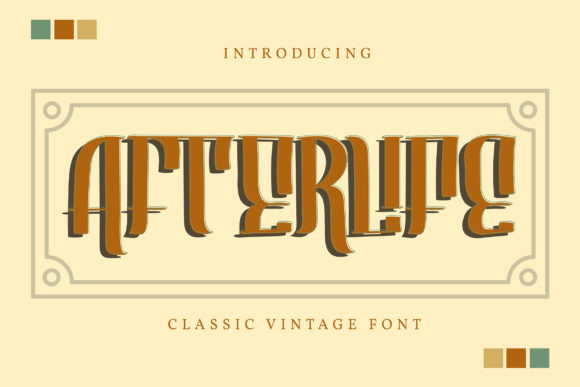
In an era where digital screens dominate our visual landscape, the demand for authentic, character-driven design has never been more urgent. Afterlife emerges as a definitive solution to this challenge, offering a classic and vintage display font that bridges the gap between nostalgic charm and contemporary boldness. This typeface is not merely a collection of letters; it is a versatile tool designed for professionals, creators, and entrepreneurs who understand that typography sets the emotional tone before a single word is read.
The relevance of Afterlife in today's market stems from its ability to convey elegance and strength simultaneously. Whether you are crafting a logo for a boutique coffee shop, designing wedding invitations for a high-end event, or creating social media posts for a lifestyle brand, the font's unique aesthetic allows your message to stand out in a crowded feed. It speaks to a growing audience that values craftsmanship and history, even while engaging with modern workflows.
The Evolution of Vintage Aesthetics in Digital Design
Design trends have always cycled, but the current shift towards "retro-modern" aesthetics represents a deeper cultural movement. Consumers are increasingly fatigued by the sterile, uniform look of standard sans-serif fonts that appear on every website and app. They are seeking connection, texture, and personality in their digital experiences. Afterlife fits perfectly into this evolving habit, providing a visual language that feels established yet fresh.
This font has evolved beyond simple decoration to become a core component of strategic branding. In the past, vintage styles were often relegated to specific niches like craft breweries or retro diners. Today, however, the integration of classic typography into corporate identity signals confidence and timelessness. By adopting Afterlife, businesses can project an image of reliability and sophistication that transcends fleeting fads. It suggests that a brand is rooted in tradition but ready for the future.
For freelancers and agency owners, understanding this shift is crucial. Clients are no longer just asking for "something modern"; they are requesting designs that tell a story. The bold, elegant strokes of Afterlife provide that narrative depth. It works seamlessly in stationery, allowing letterheads to carry weight, and in web headers, where it demands attention without sacrificing readability. The font's ability to adapt to these changing needs makes it a staple in the toolkit of forward-thinking designers.
Practical Applications Across Creative Workflows
The versatility of Afterlife extends far beyond a single use case. Its robust structure makes it ideal for a wide array of professional applications. Consider the impact on different mediums:
- Logos and Branding: The bold nature of the font ensures legibility at small sizes, while its intricate details shine when scaled up for signage or packaging.
- Invitations and Stationery: For weddings, galas, or formal announcements, the elegant curves add a layer of exclusivity and refinement that standard fonts simply cannot match.
- Social Media Posts: In the fast-scrolling environment of Instagram or LinkedIn, a headline set in Afterlife acts as a visual anchor, stopping the user's thumb and inviting them to engage.
- Editorial Design: Magazines and blogs utilize this typeface to create distinct sections or feature articles that require a touch of dramatic flair.
By integrating Afterlife into these varied contexts, creators can maintain a cohesive visual identity across all touchpoints. This consistency is vital for building trust with audiences. When a client sees the same distinctive typography on a business card, a website, and a social ad, it reinforces the brand's professionalism and attention to detail.
Technical Mastery: Unlocking PUA Encoding
One of the most significant advantages of choosing Afterlife is its technical architecture, specifically its PUA (Private Use Area) encoding. For designers and developers, this feature transforms the workflow from a restrictive process into a fluid creative experience. PUA encoding allows access to a vast library of glyphs, swashes, and alternate characters that are not available in standard Unicode blocks.
Traditionally, accessing such extensive typographic features required complex workarounds or third-party plugins. With Afterlife, all of these elements are accessible with ease directly within standard design software. This means you can instantly swap a standard "A" for a swash variant, add decorative ligatures to connect words elegantly, or utilize specialized symbols that enhance the thematic feel of your project.
The practical implication of this technology is profound. It empowers users to customize their text without compromising file compatibility or requiring external assets. For educators teaching graphic design, this offers a perfect example of how modern font technology supports artistic freedom. For business owners, it means faster turnaround times and higher quality output, as the designer can achieve the desired look in fewer steps.
Furthermore, the ease of access encourages experimentation. Users are more likely to try different combinations of swashes and glyphs when the barrier to entry is low. This leads to more unique and personalized designs, ensuring that a brand does not look generic. The ability to fine-tune the micro-details of typography is what separates good design from exceptional design, and Afterlife provides the tools necessary to make those adjustments effortlessly.
Strategic Implications for Business and Creativity
Investing in a high-quality font like Afterlife is not just an aesthetic choice; it is a strategic business decision. In a competitive marketplace, differentiation is key. Brands that rely on free, ubiquitous fonts risk blending into the background, whereas those that invest in distinctive typefaces carve out a unique space for themselves.
For marketers and content creators, the psychological impact of typography cannot be overstated. The bold, elegant look of Afterlife conveys authority and grace. When used in marketing materials, it subconsciously signals to the consumer that the product or service behind the text is premium and well-crafted. This perception can directly influence purchasing decisions and brand loyalty.
Additionally, the font's adaptability supports the modern trend of omnichannel marketing. As brands expand from physical stores to digital platforms, maintaining a consistent voice is essential. Afterlife scales beautifully, ensuring that the brand's visual identity remains intact whether it appears on a billboard, a mobile notification, or a printed brochure. This flexibility reduces the need for multiple font families, streamlining the design process and saving resources.
Looking Forward: Sustainability in Design Choices
As we move further into the future of design, sustainability will play a larger role in how we approach digital assets. While often associated with environmental practices, sustainable design also includes longevity and efficiency. Fonts that are versatile, technically sound, and timeless contribute to a more sustainable design ecosystem.
Afterlife embodies this principle. By offering a comprehensive set of features in a single package, it reduces the need for designers to constantly search for new assets or update their libraries frequently. Its classic style ensures that designs created today will remain relevant years from now, reducing the need for costly rebrands. For freelancers and agencies, this translates to long-term value and reduced waste in the creative process.
Moreover, the emphasis on accessibility and ease of use aligns with the broader goal of inclusive design. When tools are intuitive and powerful, more people can participate in high-quality design creation. The PUA encoding of Afterlife democratizes access to advanced typographic features, allowing independent creators to compete with large studios on equal footing.
In conclusion, the rise of Afterlife reflects a maturing of the design industry. It acknowledges that while technology evolves rapidly, the human desire for beauty, clarity, and storytelling remains constant. By combining a classic and vintage display aesthetic with cutting-edge technical features, this font offers a practical, powerful solution for anyone looking to elevate their visual communication. Whether you are a seasoned professional or a curious hobbyist, Afterlife provides the foundation for creating work that resonates, endures, and inspires.