Cartoon Shark: A Comprehensive Evaluation for Display Typography
Selecting the right typeface is a critical step in visual communication, often determining the emotional tone and readability of a design. Cartoon Shark has emerged as a specific option within the display font category, known for its distinctive personality. This article provides an objective analysis of this typeface, exploring its characteristics, ideal use cases, and potential limitations to help designers make informed decisions.
Understanding the Design Characteristics
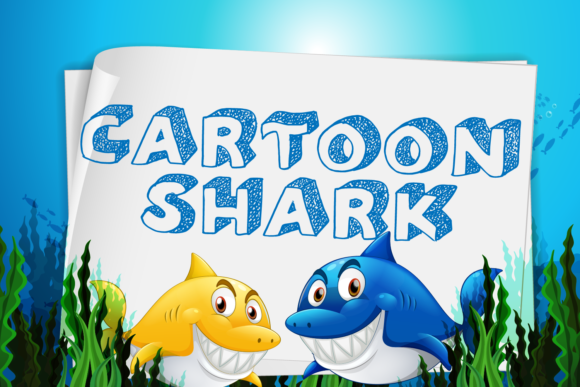
Cartoon Shark is classified as a display font designed with a specific aesthetic in mind. Visually, it presents itself as a cute, jolly, and bubbly typeface. The letterforms are characterized by rounded edges and a playful structure that mimics the fluidity associated with marine life or animated characters. Unlike standard sans-serif fonts which prioritize neutrality and legibility across various sizes, Cartoon Shark is engineered to be noticed.
The "bubbly" nature of the letters suggests a lack of sharp angles, creating a soft visual experience. The "jolly" aspect implies a sense of movement and cheerfulness in the weight and spacing of the glyphs. These traits make the font inherently expressive, carrying a built-in narrative of fun and lightheartedness before a single word is read.
Primary Applications and Target Scenarios
When evaluating whether to incorporate Cartoon Shark into a project, it is essential to identify scenarios where its specific personality aligns with the content's intent. The font is particularly well-suited for contexts requiring immediate engagement and a friendly atmosphere.
- Children's Media: One of the most logical applications is for children's games, educational apps, or storybooks. The bubbly shape resonates with younger audiences who respond positively to non-threatening, colorful, and whimsical imagery.
- Cartoon-Related Designs: For projects involving animation, comic strips, or character branding, this font serves as a thematic bridge. It reinforces the subject matter without needing additional graphical elements to convey the "cartoon" vibe.
- Creative Additions: In designs that require a lovely touch or a break from corporate seriousness, such as party invitations, event signage, or seasonal marketing materials, Cartoon Shark can effectively inject energy and warmth.
Benefits of Using a Thematic Display Font
The decision to use a specialized font like Cartoon Shark offers several strategic advantages when the goal is brand differentiation and mood setting.
Instant Tone Setting: One of the primary benefits is the ability to establish a mood instantly. Because the font is so distinct, it eliminates ambiguity. A viewer immediately understands that the content is intended to be entertaining, informal, or child-friendly. This reduces the need for excessive graphic decoration to achieve the same effect.
Memorability: In crowded digital marketplaces, unique typography helps a design stand out. The irregular, bubbly shapes of Cartoon Shark create a memorable visual signature that can enhance brand recall for products targeting a youthful demographic.
Emotional Connection: The "cute" and "jolly" attributes of the font foster a sense of approachability. For brands trying to build trust with families or children, using a typeface that feels safe and welcoming can lower barriers to engagement.
Tradeoffs and Considerations
While Cartoon Shark excels in specific niches, it is not a universal solution. Designers must carefully weigh the tradeoffs associated with highly stylized display fonts.
Limited Legibility at Small Sizes: The defining characteristic of this font—its rounded, bubbly forms—can compromise readability when scaled down. In body text or small interface elements, the distinct shapes may blur together, making the text difficult to decipher. It is generally unsuitable for long-form reading or technical documentation.
Niche Appeal: The strong personality of the font means it carries a high risk of clashing with serious or professional contexts. Using Cartoon Shark in a financial report, legal document, or healthcare setting would likely undermine the credibility of the message. The font demands a specific context to function correctly.
Pairing Challenges: Finding a complementary typeface can be tricky. Because Cartoon Shark is visually loud, pairing it with another display font often results in a chaotic design. Designers typically need to pair it with a neutral, clean sans-serif or serif font to balance the composition, ensuring that the hierarchy remains clear.
Situations Where Alternatives May Be Preferred
There are scenarios where other typefaces might better serve the project goals than Cartoon Shark.
If the target audience includes teenagers or adults who prefer a modern, edgy, or minimalist aesthetic, a bubbly font may feel juvenile or unprofessional. In these cases, a geometric sans-serif or a hand-drawn script with sharper lines might be more appropriate.
Furthermore, if the design requires high accessibility standards, such as for users with dyslexia or low vision, the rounded and potentially irregular shapes of Cartoon Shark could pose challenges. Standard, highly legible fonts with consistent stroke widths are generally safer choices for inclusive design.
Practical Decision-Making Insights
To determine if Cartoon Shark aligns with your specific needs, consider the following evaluation criteria:
- Define the Audience: Is the primary user base young children or individuals seeking entertainment? If yes, the font is a strong candidate. If the audience is broad or adult-oriented, reconsider.
- Analyze the Content Length: Will the font be used for headlines only, or will it appear in paragraphs? Limit usage to headlines, logos, and short phrases to maintain impact and readability.
- Assess Brand Consistency: Does the playful nature of the font match the existing brand identity? If the brand is established as serious, introducing this font may cause confusion.
- Test Readability: Always test the font at the actual size it will be displayed on screens or print. Ensure that the "bubbly" features do not obscure the letters when viewed from a distance or on mobile devices.
Conclusion
Cartoon Shark is a specialized tool in the typographer's arsenal. Its value lies in its ability to convey cuteness, joy, and playfulness effectively. When used correctly in environments like children's games, cartoon illustrations, or creative projects requiring a lovely touch, it serves as an amazing choice that enhances the overall user experience.
However, its effectiveness is contingent upon the context. It is not a replacement for versatile body text fonts nor a suitable option for formal communications. By understanding its strengths and limitations, designers can leverage Cartoon Shark to create engaging, targeted visuals that resonate with their intended audience while avoiding common pitfalls related to readability and appropriateness.