Oh Bunny: A Practical Guide to Using This Playful Display Font
When selecting typography for a project, the choice often dictates the emotional tone before a single word is read. For creators working in the education sector, children's publishing, or community event planning, finding a typeface that balances readability with genuine charm can be challenging. Oh Bunny has emerged as a distinctive option in this space, offering a specific aesthetic that resonates with young audiences while maintaining enough structure to remain legible.
This evaluation explores what makes Oh Bunny unique, how it fits into broader design categories, and practical considerations for when it should be your primary choice versus when you might need to look elsewhere. By understanding the nuances of this font, designers and educators can make informed decisions that enhance their projects without compromising on clarity or professionalism.
Understanding the Character of Oh Bunny
At its core, Oh Bunny is classified as a display font, meaning it is designed primarily for headlines, titles, and short text blocks rather than body copy. Its defining characteristic is a dainty, hand-drawn quality that feels approachable and unpretentious. Unlike rigid geometric sans-serifs or traditional serif fonts that convey authority and formality, Oh Bunny embodies a sense of playfulness and authenticity.
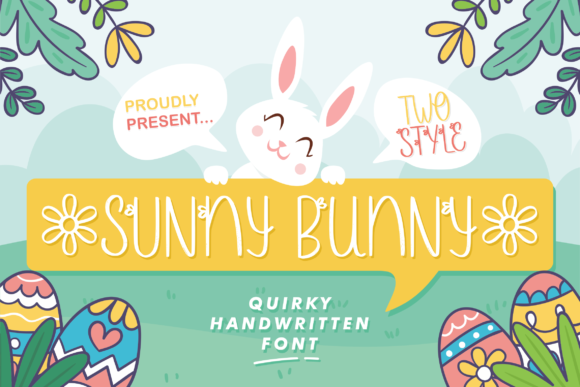
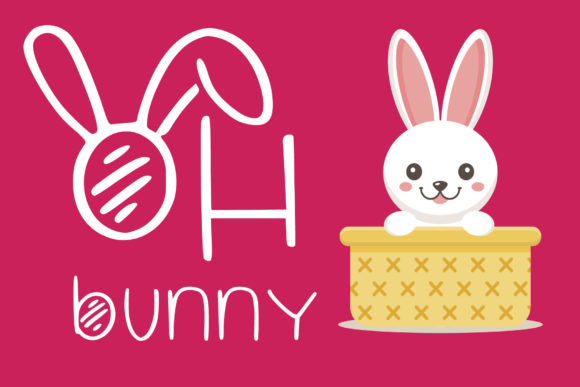
The letterforms feature soft edges and slight irregularities that mimic natural handwriting. This imperfection is intentional; it removes the sterile feel often associated with digital fonts and replaces it with a tactile warmth. The "dainty" nature of the strokes suggests delicacy, making it particularly effective for themes involving springtime, Easter, early childhood development, and gentle storytelling. It does not shout for attention through bold weight or aggressive angles but invites the viewer in with a quiet confidence.
Distinguishing Features from Standard Fonts
To understand where Oh Bunny fits, it helps to compare it against standard system fonts like Arial, Helvetica, or Times New Roman. Those typefaces are built for neutrality and efficiency. They are invisible tools meant to deliver information without distraction. In contrast, Oh Bunny is an expressive tool. It adds a layer of personality that neutral fonts cannot provide.
- Stroke Weight: The lines are generally thin and consistent, creating a light visual footprint that works well on colorful backgrounds.
- Curvature: There is a noticeable roundness to the terminals (the ends of strokes), which softens the overall appearance.
- Spacing: Like many display fonts, it requires careful kerning (spacing between letters) to maintain readability at larger sizes.
This distinct character means Oh Bunny is rarely used for long-form text. Attempting to set paragraphs in this font can lead to reader fatigue due to the constant visual movement of the letter shapes. Instead, it serves best as a headline, a logo element, or a decorative accent within a layout.
Evaluating Fit: When Oh Bunny is the Right Choice
Selecting the right typography is about matching the medium to the message. Oh Bunny excels in scenarios where the goal is to evoke a specific mood of innocence, creativity, or joy. Below are several practical use cases where this font proves highly effective.
Children's Activities and Educational Materials
In the realm of school projects and activity sheets, engagement is key. Children are more likely to interact with materials that feel friendly and accessible. Oh Bunny is perfectly suited for worksheets, classroom posters, and lesson plan headers. Its playful nature signals to a child that the content is approachable and fun, reducing the anxiety often associated with learning tasks.
For example, a teacher creating a "Spring Science" bulletin board could use Oh Bunny for the main title. The font's organic feel complements illustrations of flowers or bunnies without competing with them. It creates a cohesive visual language that supports the educational content rather than overshadowing it.
Event Invitations and Community Projects
Organizing a kindergarten fair, a birthday party, or a local library story hour requires an invitation that conveys excitement. Oh Bunny provides a warm welcome that feels personal. Because it lacks the stiffness of corporate fonts, it suggests that the event is casual and inclusive. Parents reading an invitation in this font are likely to perceive the event as family-oriented and safe.
Crafting and DIY Resources
For crafters using software to design cut files for vinyl plotters or printing labels for homemade goods, Oh Bunny offers a boutique feel. It mimics the look of custom calligraphy or hand-lettering without the time commitment of doing it by hand. This makes it a valuable resource for small business owners selling handmade items aimed at families.
Comparative Analysis: Strengths and Tradeoffs
No single font is universally superior. Every typeface involves tradeoffs between aesthetics, functionality, and versatility. When evaluating Oh Bunny against other options, it is essential to weigh these factors carefully.
The Readability vs. Style Balance
The primary strength of Oh Bunny is its immediate emotional impact. It captures attention and sets a tone instantly. However, this comes with a tradeoff regarding legibility at smaller sizes. Because the letterforms are stylized, they may become difficult to distinguish when scaled down for footnotes or fine print. In comparison, a clean sans-serif font would remain readable at much smaller scales but would lack the necessary charm for the intended audience.
If your project relies heavily on dense text, such as a chapter book or a detailed instruction manual, Oh Bunny is likely a poor choice. In those instances, a dedicated text family with multiple weights would be a more functional decision.
Versatility Across Mediums
Another consideration is how the font translates across different media. Oh Bunny shines in digital formats like social media graphics and web banners where screen resolution allows for crisp rendering of fine details. However, when printed on low-quality paper or projected onto large screens with compression artifacts, the delicate strokes may disappear or become jagged.
Designers must test the font in its final output format before committing to a full project. While alternatives might offer better durability across various print runs, they may not capture the specific "dainty" vibe that Oh Bunny delivers so effectively.
Navigating Alternatives and Complementary Styles
While Oh Bunny is a strong contender for specific applications, it is part of a broader ecosystem of playful and handwritten typefaces. Understanding the landscape helps in making a more nuanced decision.
Some alternative styles focus on a more rugged or energetic version of playfulness. These fonts might use thicker strokes, sharper angles, or more exaggerated curves to convey energy rather than gentleness. If your project targets older children or teenagers, a font with more attitude might be appropriate. Oh Bunny, with its softer profile, might feel too juvenile for a middle-school science fair poster.
Conversely, there are options that lean heavily into formal script. These fonts can be elegant but sometimes struggle with readability or appear too expensive for a school setting. Oh Bunny occupies a middle ground—it is whimsical enough to be fun but structured enough to remain clear. It avoids the potential confusion of complex cursive scripts while retaining a human touch.
When comparing resources, consider the licensing and file availability. Many high-quality display fonts come with strict usage rights. Oh Bunny is often favored because it is accessible for both personal and commercial projects, provided the license terms are reviewed. This accessibility makes it a practical choice for teachers and non-profit organizations operating on tight budgets.
Decision Factors for Your Project
To determine if Oh Bunny is the correct tool for your next endeavor, ask yourself the following questions:
- What is the primary emotion? Do you want to convey warmth, innocence, and fun? If yes, Oh Bunny aligns well. If you need to convey urgency, seriousness, or luxury, look elsewhere.
- How much text will be displayed? Is this just a title or a short phrase? Oh Bunny is ideal for short bursts of text. Avoid using it for long passages.
- Who is the audience? Are you speaking directly to children, parents, or educators? The font's authentic feel resonates strongly with these groups.
- What is the visual context? Will the text sit on a busy background or alongside complex illustrations? The dainty nature of Oh Bunny requires some negative space to breathe; it can get lost in cluttered designs.
Ultimately, the choice of typography is a strategic one. Oh Bunny offers a specialized solution for designers and creators who need to inject a sense of genuine playfulness into their work. It is not a replacement for versatile system fonts, nor is it a substitute for elegant scripts. Instead, it fills a specific niche where authenticity and charm are paramount.
By recognizing its strengths and limitations, you can leverage Oh Bunny to create materials that are not only visually appealing but also emotionally resonant. Whether you are designing a classroom wall display, a children's book cover, or a community event flyer, this font provides a reliable foundation for building a connection with your audience. As with any design decision, testing the font in context remains the most effective way to ensure it meets your specific needs.